28 11
14 02
2026
Hieros gamos
Jan Uldrych & Adam Kašpar
Curated by Jan Dotřel
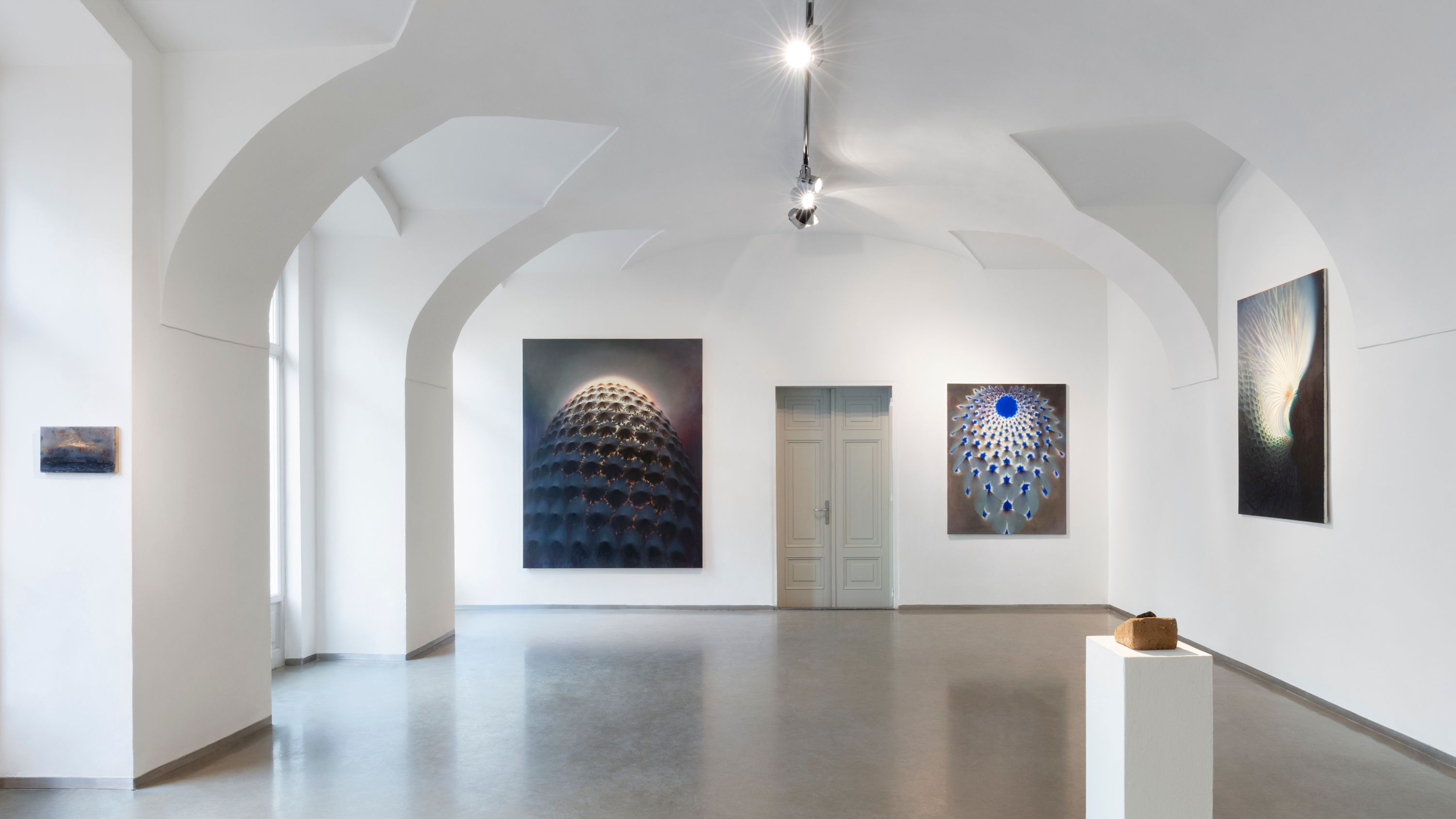
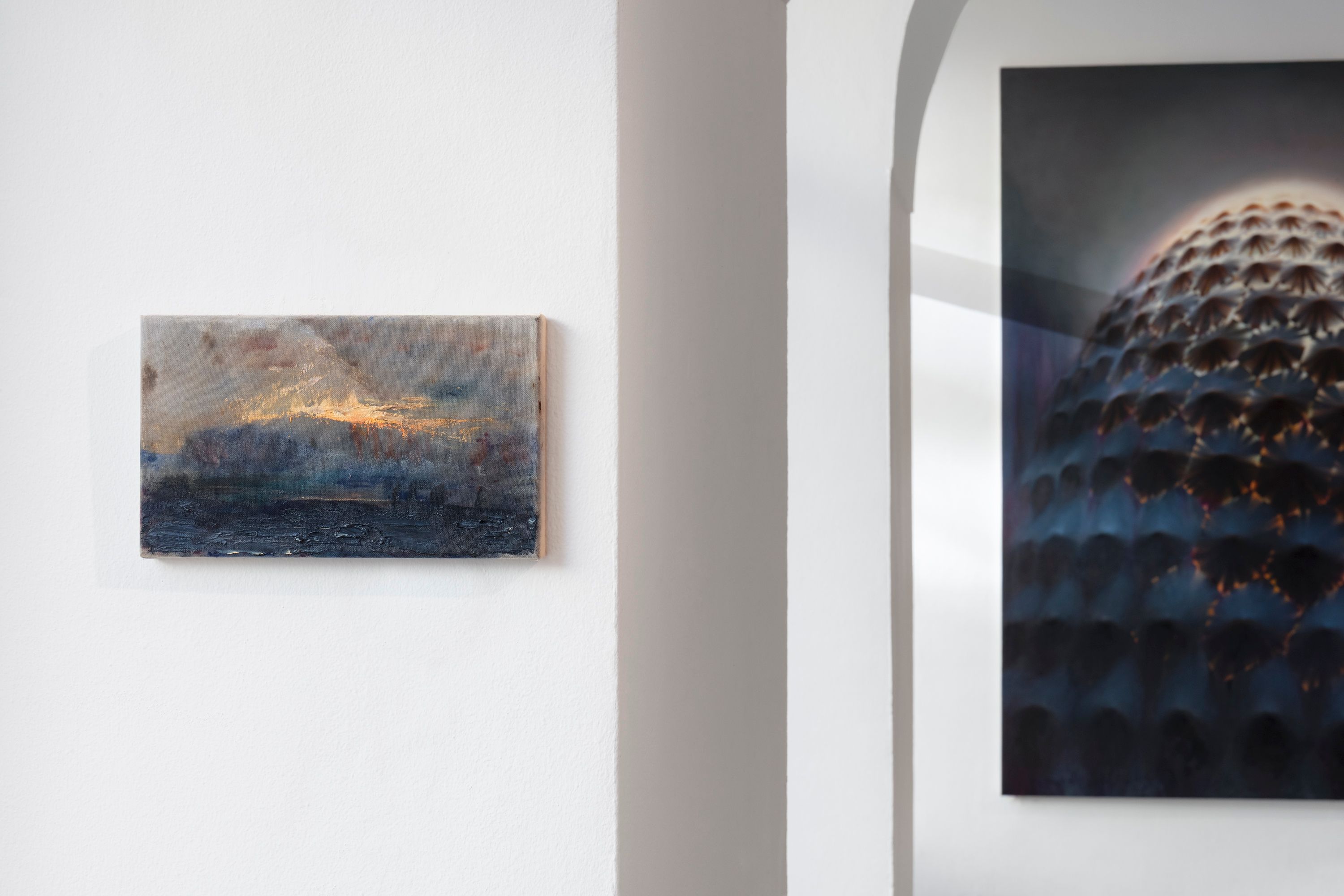
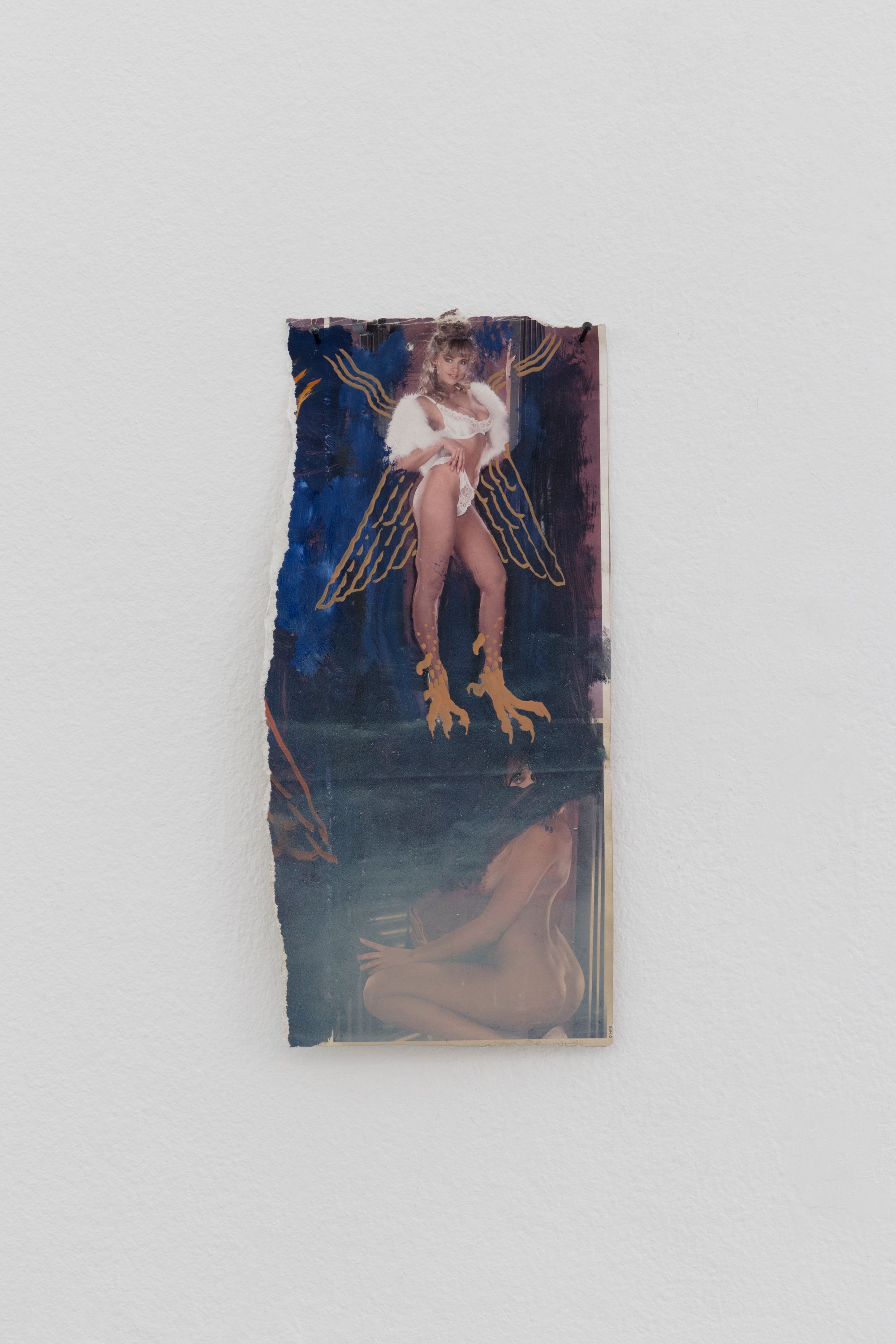
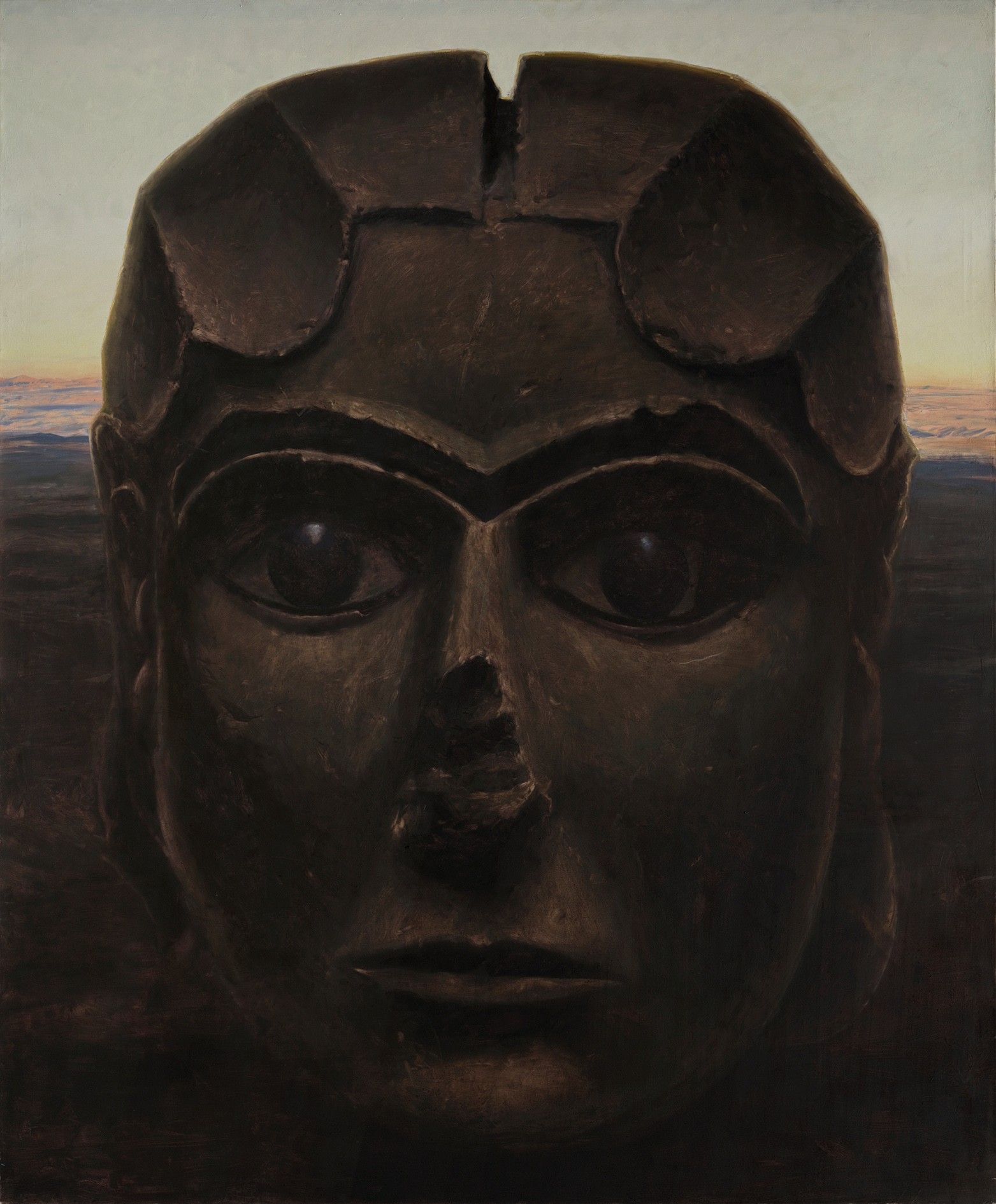
The joint exhibition of Jan Uldrych and Adam Kašpar at Galerie Kvalitář presents the convergence of two artists who metaphorically descend into deep primordial waters and the vortices of archetypal symbols. Both are long rooted in the medium of painting, through which they reveal, at times suggestively, intuitively or sporadically analytically, the hidden codes inscribed in the sediments layered between the natural and the civilizational. In this case, hieros gamos is a consensual commitment by both authors to collaborate on a single exhibition, each representing an inclination toward one of the poles of this “sacred marriage.” This ancient term reaches back to the earliest civilizations, evolving dynamically from Sumerian, Assyrian and Babylonian cultures through Egyptian and Greek traditions, later infiltrating alchemical thought and Jungian psychology, all the way to the broader European cultural sphere as we know it today. The meaning of hieros gamos originally lies in the mythological realm, where the male and female principles unite on a divine level. It denotes the ritual joining of two distinct forces whose tension generates new meaning. In ancient cultures, this act did not ensure harmony but fertility, stability and a creative impulse – a power arising from opposition. Let us now consider how this primordial legacy is reflected in the brushstrokes of the two artists.
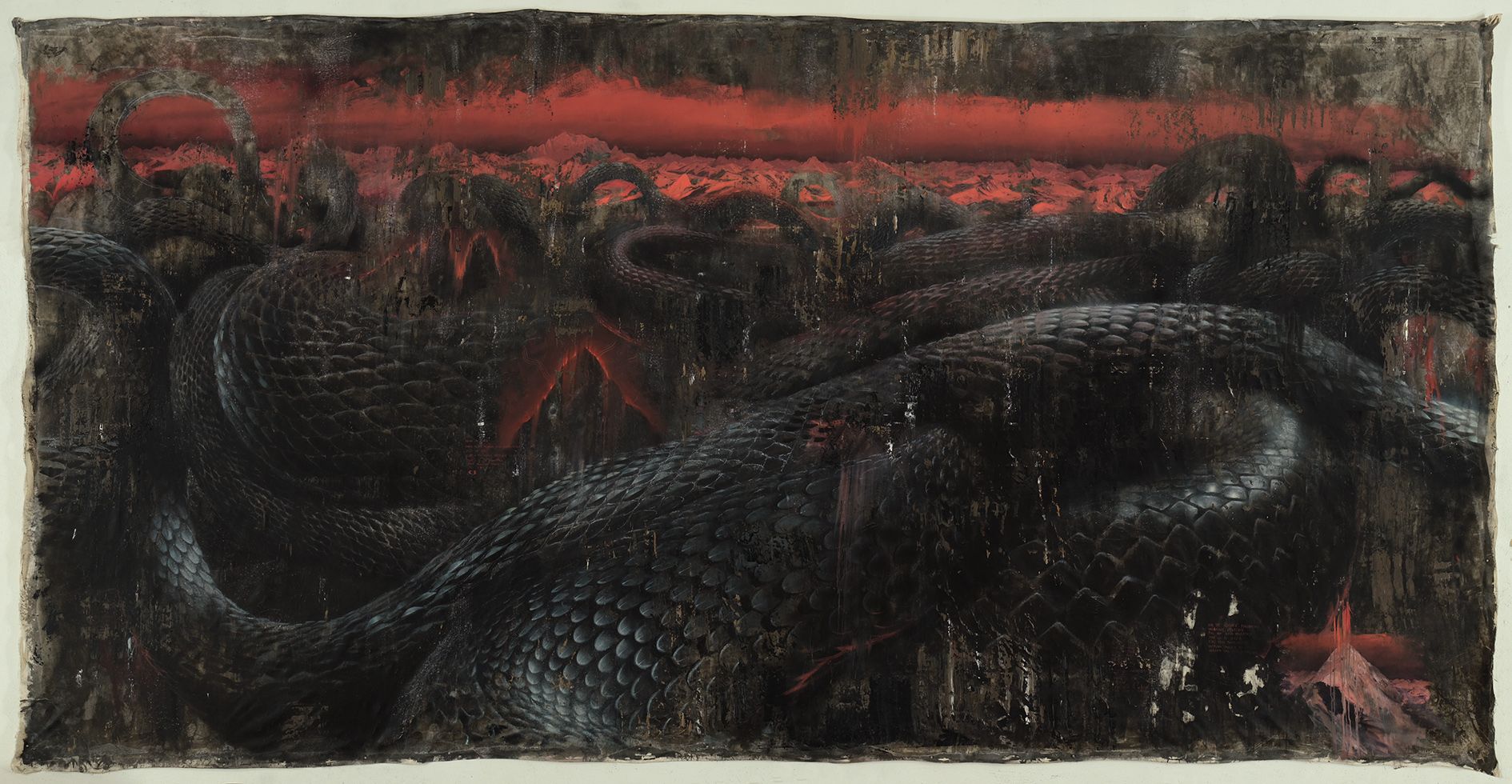
It is difficult to begin anywhere other than with the original and more potent principle, the feminine. Adam Kašpar became fully absorbed in it already in the exhibition Urpflanze (the “primal plant”), whose seed continues to nourish his current work. In the Sumerian myth, the role of this primal plant is assumed by Inanna (later Ishtar), whom the king waters like a date palm during the ritual of the sacred marriage. She is a contradictory figure: goddess of war and sexuality, yet also Promethean in character as she brings culture to humanity against the will of the elder gods. This aspect intensifies as she confronts the mountain dragon, embodying an even older facet of femininity, the primordial ocean, the instinctive world, the Mother who existed before the world and who, with the emergence of humanity and consciousness, must now die. Kašpar undertakes the genesis of a monumental canvas depicting this mythic dragon, representing both the underworld and paradise in one, where death mirrors birth, where scales metamorphose into mountains, where the dragon becomes the mountain itself — not a geological formation, but an archetypal one. Opposite this terrifying creativity stands Inanna with her spear, prepared to kill the beast. Dragonslaying here becomes a symbolic expression of the birth of consciousness: the instinctive certainty of the maternal world dies, making way for self-awareness. Yet the dragon does not die entirely — it undergoes a profound transformation, the whole process resembling what Michel Tournier describes as the “great inversion,” a turning inside out. Thus consciousness is born from the unconscious, culture from nature, light from darkness — not as something new arriving from outside, but as the reverse side of things themselves. With this, a conflict enters the world between opposing faces of divinity; a conflict whose reconciliation and underlying unity is sought by every form of hieros gamos, whether between a king and Inanna, Christ and the Church, or the albedo and nigredo of the alchemists.
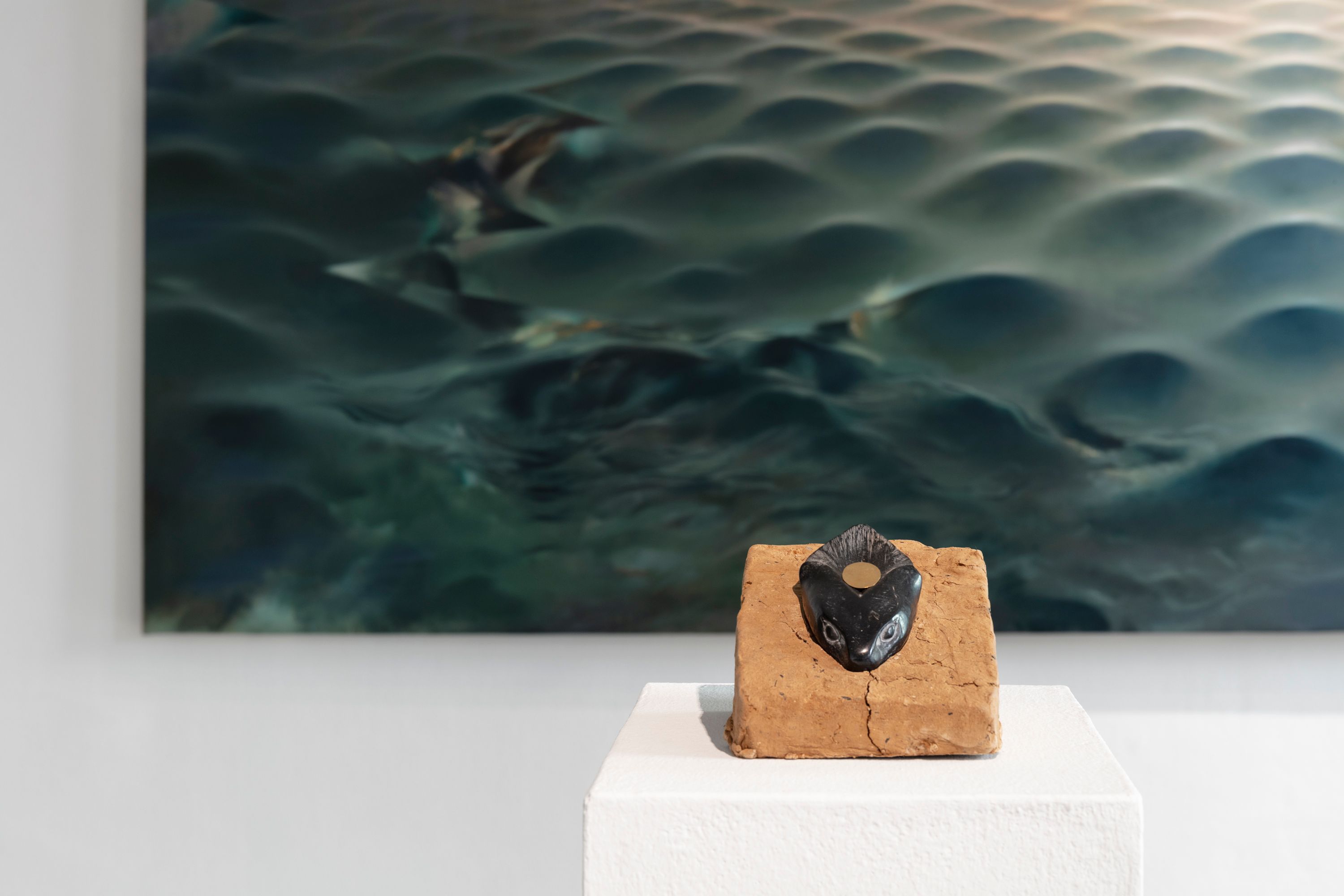
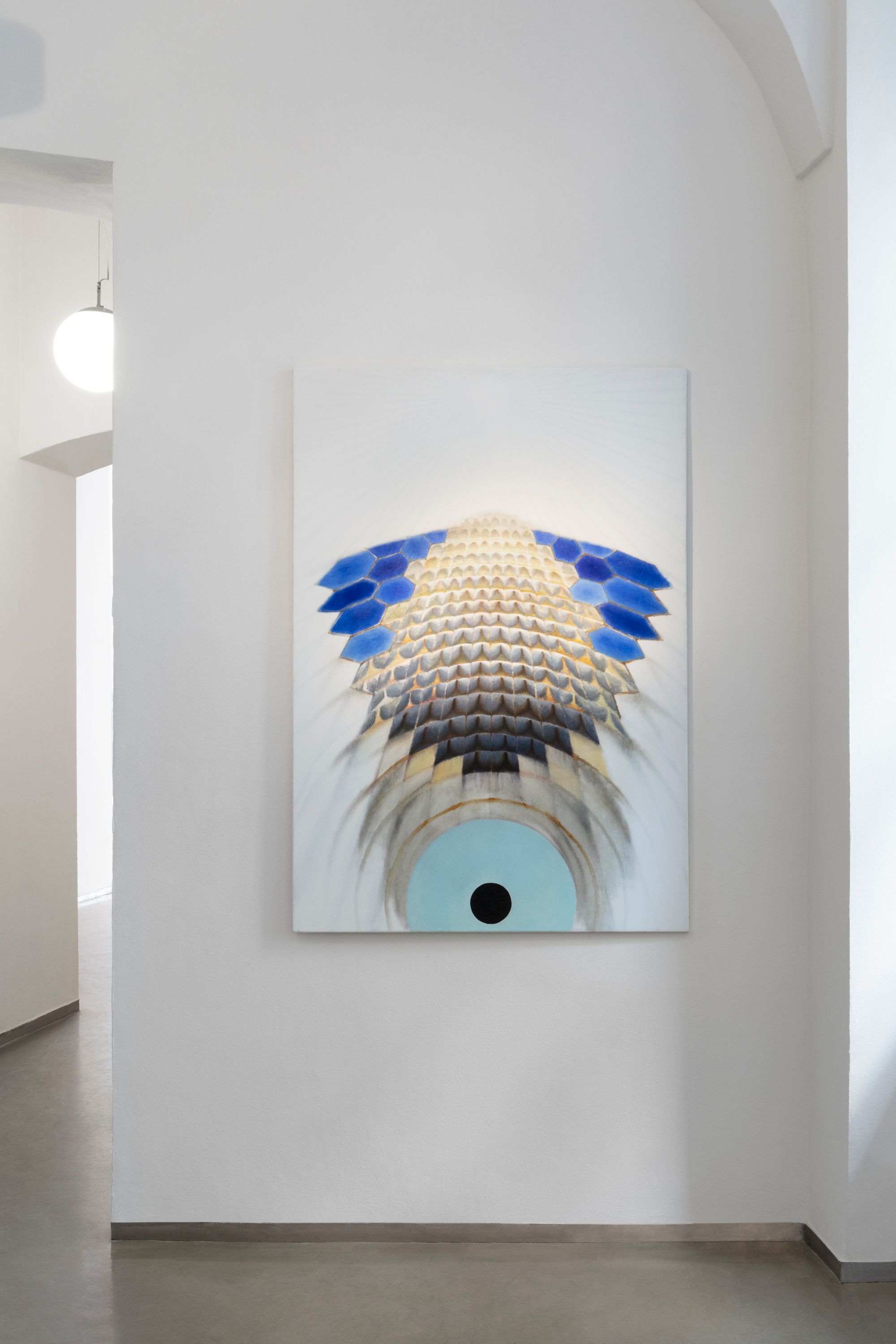
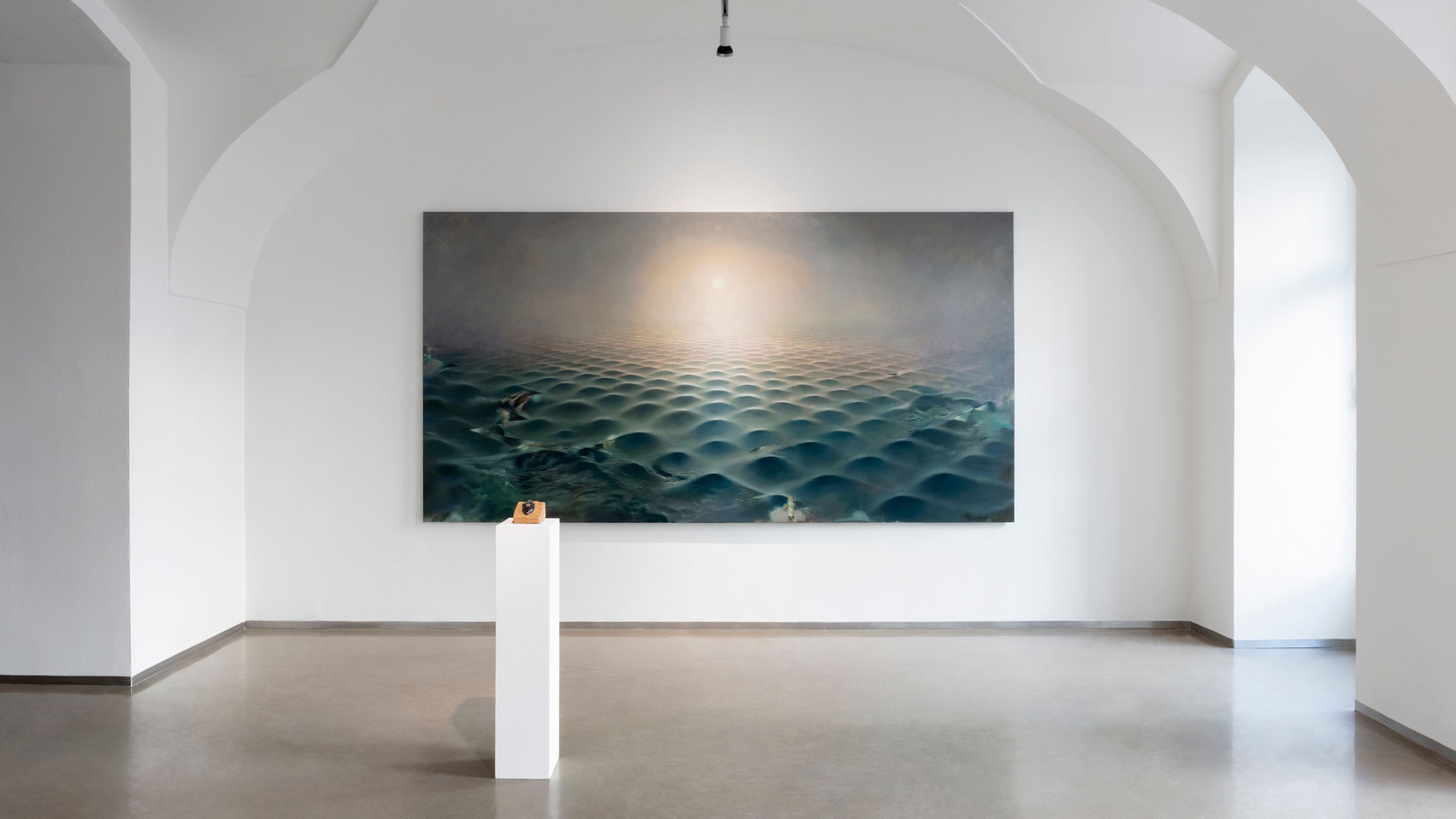
The work of Jan Uldrych approaches this theme in an emblematic yet fundamentally different way. The genealogy of his paintings rests on the foundations of natural experience, often defined by an understanding of sacred geometry, mysticism and psychedelic patterns found across flora, fauna and the layers of human consciousness. For Uldrych too, the notion of consciousness is essential, but in a more universal and open sense than in Kašpar’s interpretation. We encounter a breathtaking large format painting offering a view into the primordial ocean. These primal waters are represented by a geometric pattern stretching into infinity, beyond the horizon of the unconscious — oriented toward the sacred dimension of knowledge, toward the first star, toward the mystery of the original light. The only thing that disrupts this perfect pattern of archetypal waters is the twist of a gigantic reptile animating the regular waves of consciousness. Here again, an original stability is disturbed.
So far, both artists have operated primarily on a symbolic level, yet if we introduce the discourse of rational knowledge, we find nothing dissimilar: every harmony demands its breach, every perfection its disruption. Without it, there is no possibility of creation.